|
The article on socket protectors in the latest edition of Wiring Matters caught my attention. There were two main reasons for this: first, as a grandfather of two young boys I use socket protectors in my house whenever my grandsons visit; and, secondly, because last year I gave evidence on socket protectors at a Fatal Accident Inquiry (the equivalent in Scotland of an inquest in England and Wales) concerning the tragic electrocution of a 22-month old boy in his home. I had investigated this fatal accident in my capacity as the Health & Safety Executive's Principal Specialist Inspector (Electrical Engineering) in Scotland.
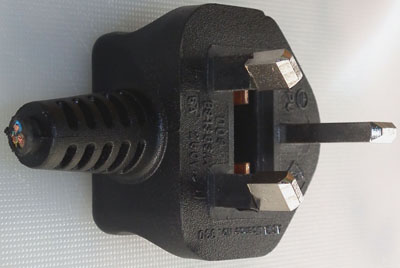
The young boy died when he picked up a short length of flexible cable, plugged it into a socket-outlet in his bedroom, and took hold of the exposed live conductor. The cable had been left in the property by some workmen who had removed it from an oven they were installing. I gave evidence on the hazards and risks associated with not disposing of unterminated cables, on relevant legal duties, and on the matter of whether an RCD in the installation would have prevented the death. However, as I was giving my evidence I was asked by the Procurator Fiscal if the death would have been prevented if a socket protector had been plugged into the socket-outlet. Having advised the court that domestic electrical safety is not a matter within HSE's remit, I did express the professional opinion that a socket protector would have prevented the accident. I maintain this view - I see this function of preventing inquisitive and playful youngsters from plugging appliances into socket-outlets as being the main advantage of socket protectors.
I agree with Mark Coles about the effectiveness of the shutter mechanism on BS 1363 socket-outlets preventing things being poked into the sockets. But I also agree with the sentiment in the second sentence of the government’s advice about socket protectors stopping young children plugging in appliances. On that basis, in the context of Mark's valid observations about the deficiencies of, and dangers associated with, some socket protectors currently on the market, I would suggest that the best solution is for interested parties, including the IET, to press for a British Standard on socket protectors to set standards on matters such as the size of the pins and the materials of construction.
John Madden
HM Principal Specialist Inspector (Electrical Engineering)
Health and Safety Executive
|